Advertising Disclosure: This website contains ads and affiliate links. We may earn a commission from purchases made through these links at no extra cost to you. This helps us maintain the site and continue providing valuable content.
Baked Salmon & Steamed Veggies
Tender, flaky salmon paired with colorful steamed vegetables. Rich in omega-3 fatty acids for brain and heart health. A delicious, nutritious meal that's gentle and easy to digest.
💚 Nutrition Notes for Seniors
Why This Recipe is Great for You:
- Omega-3 Powerhouse: Supports brain health, memory, and reduces inflammation.
- Heart Protection: Helps maintain healthy cholesterol and blood pressure levels.
- High-Quality Protein: Supports muscle maintenance and is easy to digest.
- Vitamin-Rich Veggies: Loaded with vitamins A, C, and K for overall wellness.
- Bone Health: Salmon provides vitamin D and calcium for strong bones.
- Anti-Inflammatory: Natural anti-inflammatory properties support joint health.
Ingredients
For the Salmon:
- 2-3 salmon fillets (4-6 oz each), skin-on or skinless
- 1 tablespoon olive oil or melted butter
- 1 tablespoon fresh lemon juice
- 1 clove garlic, minced (or ¼ teaspoon garlic powder)
- ½ teaspoon dried dill (or 1 teaspoon fresh)
- ¼ teaspoon salt
- ⅛ teaspoon black pepper
- Lemon wedges for serving
For the Steamed Vegetables:
- 2 cups broccoli florets, cut into small pieces
- 1 cup baby carrots (or 2 medium carrots, sliced)
- 1 cup cauliflower florets (optional)
- 1 medium zucchini, sliced into rounds
- 1 tablespoon butter or olive oil
- Salt and pepper to taste
- Fresh herbs for garnish (optional)
🔄 Easy Substitutions
- Salmon alternatives: Cod, halibut, or trout work beautifully
- Frozen fish: Thaw completely before baking
- Different vegetables: Green beans, asparagus, or Brussels sprouts
- Frozen veggies: Perfectly fine - steam according to package directions
- Herb variations: Try thyme, parsley, or Italian seasoning
- No steamer: Use a colander over boiling water
Step-by-Step Instructions
- Preheat oven: Preheat your oven to 400°F (200°C). Line a baking sheet with parchment paper or lightly grease it with cooking spray. This prevents sticking and makes cleanup easier.
- Prepare salmon: Pat the salmon fillets dry with paper towels. This helps them cook evenly and develop a nice texture. Place them on the prepared baking sheet, leaving space between each fillet.
- Make seasoning mixture: In a small bowl, combine the olive oil (or melted butter), lemon juice, minced garlic, dill, salt, and pepper. Mix well until combined.
- Season salmon: Brush or drizzle the seasoning mixture over each salmon fillet, coating the top and sides evenly. You can also use your fingers to gently rub it in. The oil helps keep the fish moist during baking.
- Bake salmon: Place the baking sheet in the preheated oven. Bake for 12-15 minutes, depending on thickness. The salmon is done when it flakes easily with a fork and reaches an internal temperature of 145°F. It should be opaque and slightly pink in the center.
- Prepare vegetables for steaming: While the salmon bakes, wash and cut all vegetables into bite-sized pieces. Smaller pieces steam faster and are easier to eat. Keep similar-sized pieces together for even cooking.
- Steam vegetables: Fill a pot with 1-2 inches of water and bring to a boil. Place vegetables in a steamer basket over the boiling water. Cover and steam for 5-8 minutes until tender but still colorful. Harder vegetables like carrots may need a few extra minutes. Test with a fork - they should be easily pierced but not mushy.
- Season and serve: Transfer steamed vegetables to a serving bowl. Toss with butter or olive oil, and season with salt and pepper. Remove salmon from oven and let rest for 2 minutes. Serve salmon alongside the vegetables with fresh lemon wedges. Squeeze lemon over both for extra brightness and flavor.
👵 Tips for Easier Eating & Digestion
- Choose boneless salmon fillets for worry-free eating
- Check for any remaining pin bones before cooking
- Steam vegetables until very tender, not crunchy
- Cut vegetables into small, manageable pieces
- Let salmon cool slightly before serving
- Flake salmon into smaller pieces if needed
- The natural oils in salmon aid digestion
- Remove salmon skin before eating if preferred
💡 Helpful Cooking Tips
- Don't overcook: Salmon dries out quickly - watch timing carefully
- Test for doneness: Insert a fork and twist gently - should flake easily
- Fresh vs frozen: Both work well - thaw frozen fish in refrigerator overnight
- Skin-on benefits: Keeps fish moist and adds nutrients
- Leftover friendly: Flake leftover salmon for salads or pasta
- Timing tip: Start vegetables when salmon has 8 minutes left
Serving & Pairing Ideas
Storage & Reheating
⚠️ Important Health Notice
This recipe is provided for general informational and cooking purposes only. It is not medical advice, a nutritional prescription, or a treatment recommendation. Individual dietary needs vary greatly, especially for those with health conditions, allergies, or special requirements. Always consult with your doctor, registered dietitian, or healthcare provider before making significant changes to your diet. If you have specific health concerns or dietary restrictions, please seek personalized professional guidance.
More Lunch Recipes You'll Love
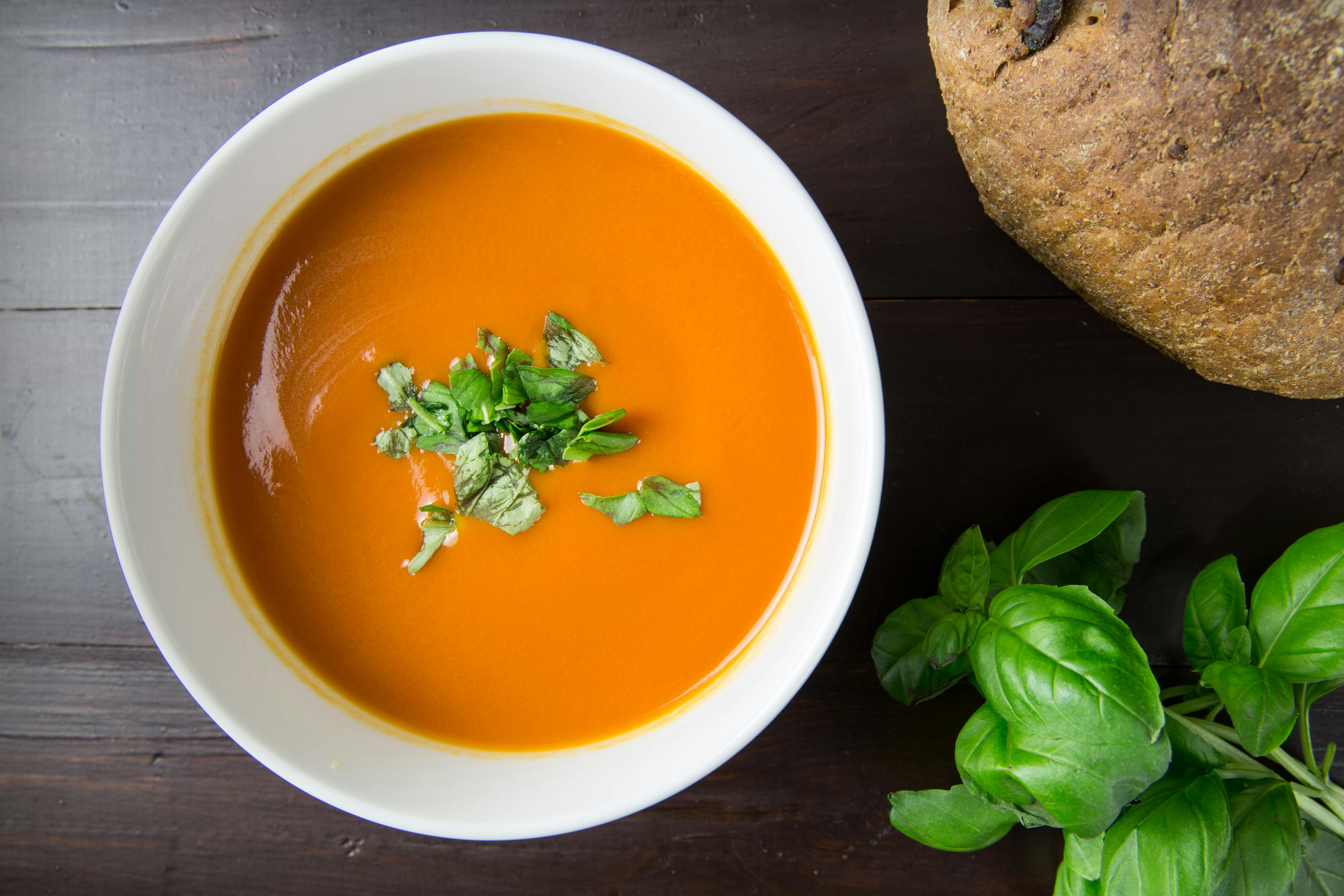
Senior-Friendly Vegetable Soup
Warm, comforting soup loaded with tender vegetables and flavorful broth.
View Recipe
Chicken & Rice Bowl
Balanced meal with lean protein and whole grains for sustained energy.
View Recipe