Advertising Disclosure: This website contains ads and affiliate links. We may earn a commission from purchases made through these links at no extra cost to you. This helps us maintain the site and continue providing valuable content.
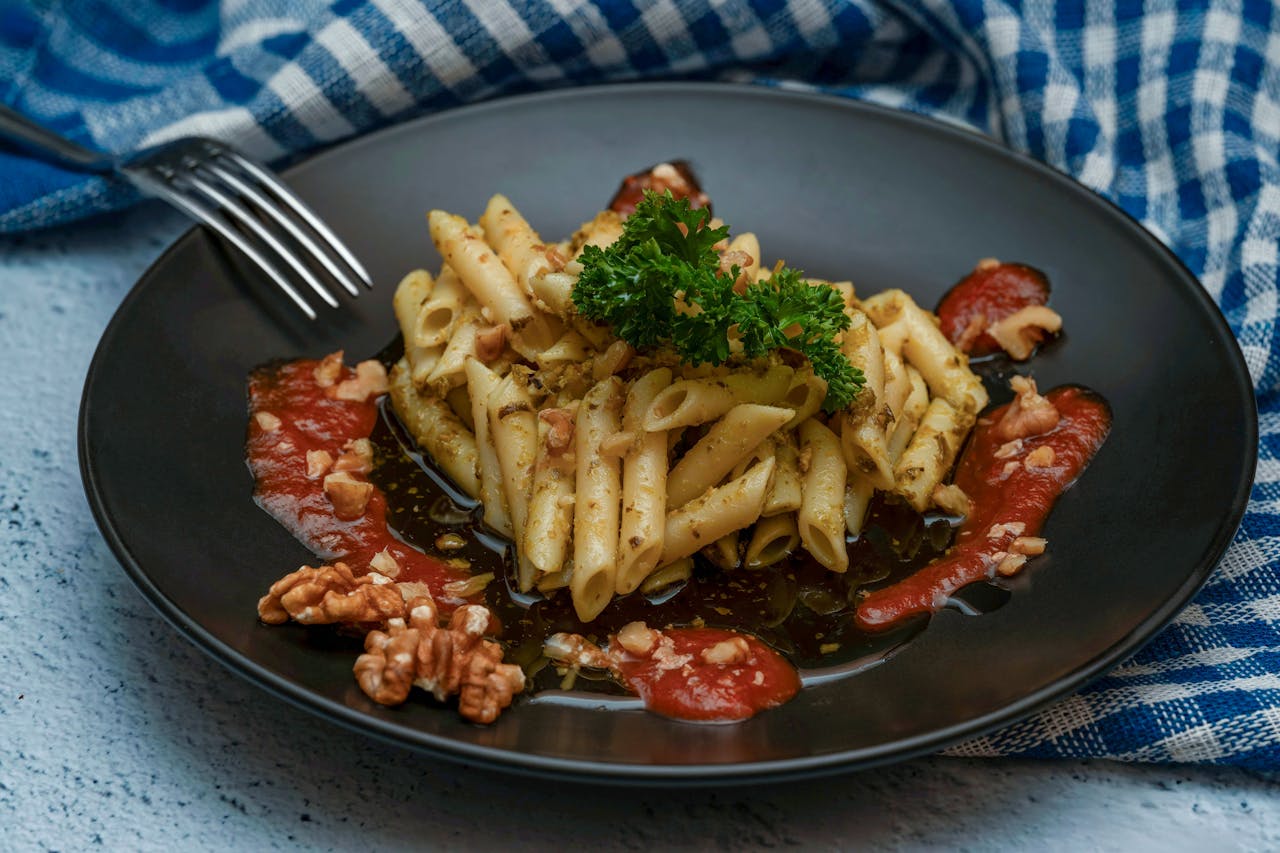
Veggie Pasta with Light Olive Oil
A simple, Mediterranean-inspired dish with tender pasta, fresh vegetables, and heart-healthy olive oil. Light yet satisfying, packed with nutrients and flavor for a wholesome meal.
💚 Nutrition Notes for Seniors
Why This Recipe is Great for You:
- Heart-Healthy Fats: Olive oil supports cardiovascular health.
- Easy to Digest: Soft pasta and cooked vegetables are gentle on the stomach.
- Vitamin Rich: Colorful vegetables provide essential vitamins and minerals.
- Complex Carbs: Pasta provides sustained energy without spikes.
- Anti-Inflammatory: Olive oil has natural anti-inflammatory properties.
- Fiber-Rich: Vegetables and whole grain pasta support digestive health.
Ingredients
For the Pasta:
- 12 oz pasta (penne, fusilli, or spaghetti)
- 1 tablespoon salt (for pasta water)
For the Vegetables:
- ¼ cup extra virgin olive oil
- 4 cloves garlic, thinly sliced (or 1 teaspoon garlic powder)
- 1 small zucchini, diced or sliced into half-moons
- 1 bell pepper (red or yellow), diced
- 1 cup cherry tomatoes, halved
- 2 cups fresh spinach or baby kale
- 1 cup broccoli florets (fresh or frozen)
Seasonings & Garnish:
- ½ teaspoon salt (adjust to taste)
- ¼ teaspoon black pepper
- ½ teaspoon red pepper flakes (optional, for mild heat)
- 1 teaspoon dried Italian herbs (or basil and oregano)
- 2 tablespoons fresh lemon juice
- ¼ cup grated Parmesan cheese (optional)
- Fresh basil or parsley for garnish
- Reserved pasta water (½ cup)
🔄 Easy Substitutions
- Pasta types: Use any shape you prefer or have on hand
- Whole grain option: Use whole wheat pasta for more fiber
- Any vegetables: Asparagus, mushrooms, carrots all work great
- Frozen veggies: Perfect time-saver, no chopping needed
- Add protein: Toss in cooked chicken, shrimp, or white beans
- Make it creamy: Add a splash of cream or ricotta cheese
Step-by-Step Instructions
- Cook the pasta: Bring a large pot of water to a rolling boil over high heat. Add 1 tablespoon of salt - this is important for flavoring the pasta. Add the pasta and cook according to package directions until al dente (slightly firm to the bite). Before draining, reserve ½ cup of the starchy pasta cooking water - you'll use this later to help bind the sauce. Drain the pasta in a colander.
- Prepare vegetables: While the pasta cooks, wash and chop all vegetables into bite-sized pieces. Keep harder vegetables like broccoli separate from softer ones like spinach, as they need different cooking times. Pat vegetables dry with paper towels to prevent splattering when added to hot oil.
- Heat olive oil: In a large, deep skillet or sauté pan, heat the olive oil over medium heat. You want it warm but not smoking - about 1-2 minutes. The pan should be large enough to eventually hold all the pasta and vegetables.
- Sauté garlic: Add the sliced garlic to the warm oil. Cook for about 1 minute, stirring constantly, until fragrant and just beginning to turn golden. Be careful not to burn it - burnt garlic tastes bitter. If using garlic powder, add it with the other seasonings later.
- Cook harder vegetables: Add the broccoli, bell pepper, and zucchini to the pan. These vegetables need more cooking time. Sauté for 5-6 minutes, stirring occasionally, until they begin to soften and develop some color. If using frozen broccoli, it may release water - just continue cooking until most liquid evaporates.
- Add tomatoes and softer vegetables: Add the cherry tomatoes and cook for 2-3 minutes until they start to soften and release their juices. Then add the spinach or kale and cook for another 1-2 minutes until wilted. Stir in the salt, pepper, red pepper flakes if using, and Italian herbs.
- Combine with pasta: Add the drained pasta to the skillet with the vegetables. Toss everything together using tongs or two wooden spoons. Add the lemon juice and a splash of the reserved pasta water (start with ¼ cup). The starchy pasta water helps create a light sauce that coats everything beautifully. If it seems dry, add more pasta water a little at a time.
- Final touches and serve: Taste and adjust seasoning with more salt, pepper, or lemon juice as needed. Remove from heat. Divide among serving bowls or plates. Drizzle with a little extra olive oil if desired, and top with grated Parmesan cheese and fresh herbs. Serve immediately while hot. The flavors are best when freshly made.
👵 Tips for Easier Eating & Digestion
- Cook pasta until very soft if you prefer softer texture
- Cut vegetables into small, uniform pieces
- Choose pasta shapes that are easy to eat with a fork
- Cook vegetables until tender, not crunchy
- Let dish cool slightly before eating
- Remove red pepper flakes if sensitive to spice
- Use whole wheat pasta gradually to adjust to more fiber
- Chew thoroughly, especially if using whole grain pasta
💡 Helpful Cooking Tips
- Salt the water well: Pasta water should taste like the sea
- Don't rinse pasta: The starch helps sauce adhere
- Save pasta water: The starchy water is liquid gold for sauce
- Al dente perfection: Pasta continues cooking when tossed with hot veggies
- Large pan essential: Makes tossing pasta and veggies easier
- Customize freely: This recipe is very flexible and forgiving
Serving & Pairing Ideas
Storage & Reheating
⚠️ Important Health Notice
This recipe is provided for general informational and cooking purposes only. It is not medical advice, a nutritional prescription, or a treatment recommendation. Individual dietary needs vary greatly, especially for those with health conditions, allergies, or special requirements. Always consult with your doctor, registered dietitian, or healthcare provider before making significant changes to your diet. If you have specific health concerns or dietary restrictions, please seek personalized professional guidance.
More Dinner Recipes You'll Love
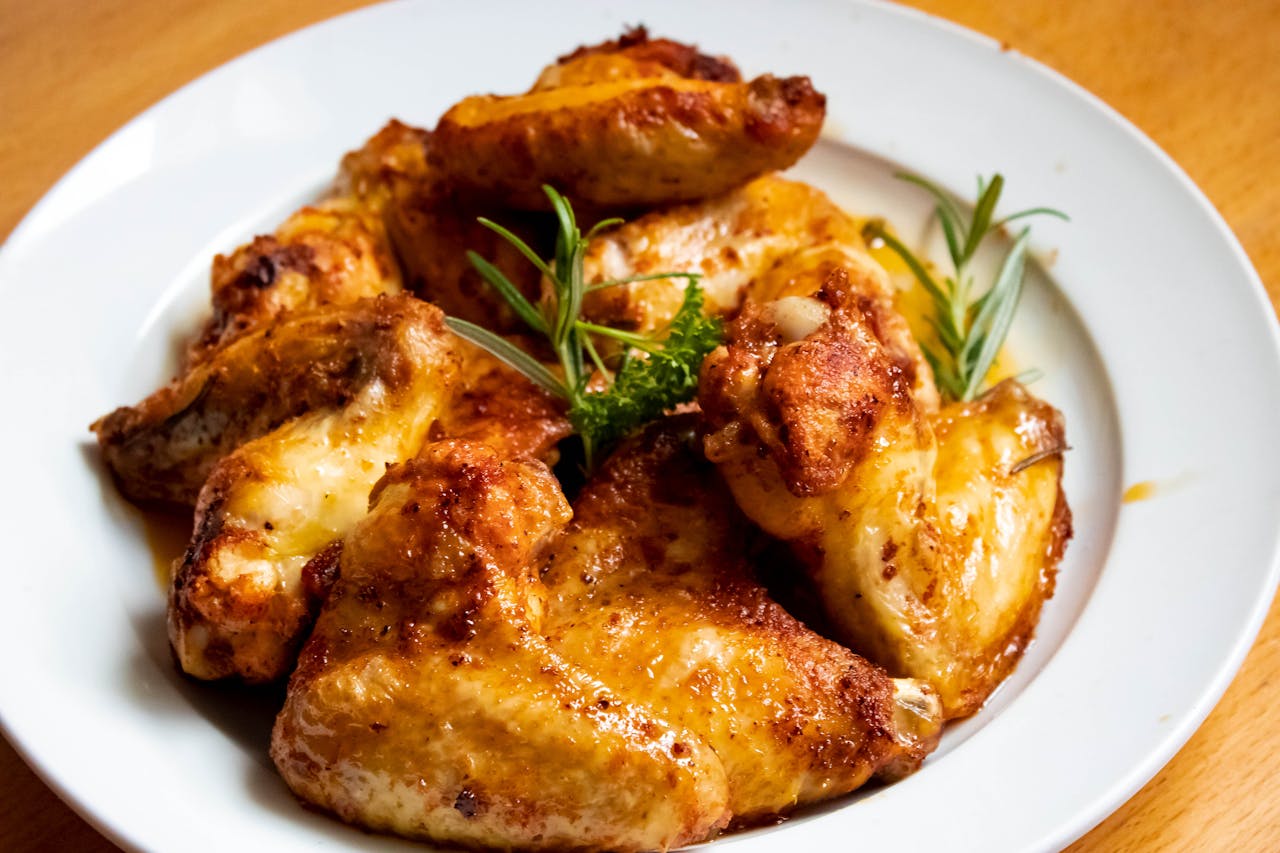
Soft Baked Chicken with Herbs
Tender, juicy chicken seasoned with mild herbs and baked to perfection.
View Recipe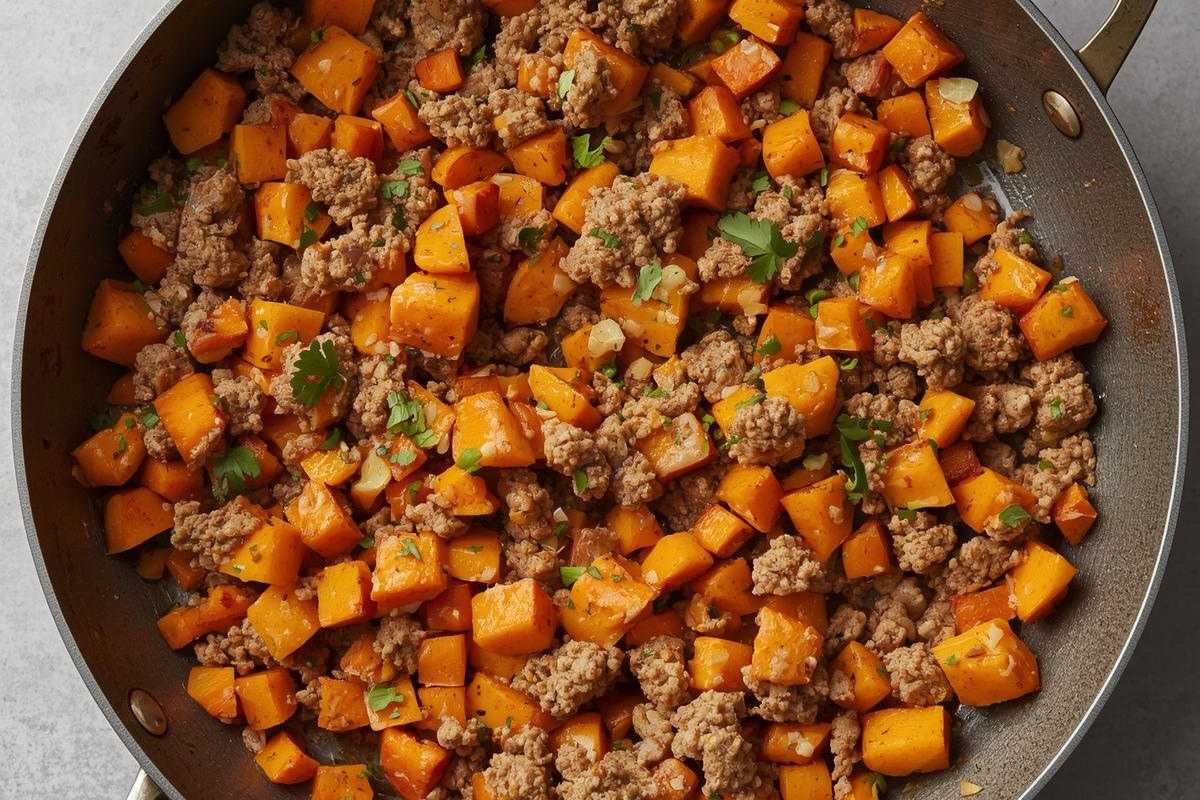
Turkey & Sweet Potato Skillet
One-pan meal with lean protein and nutrient-rich sweet potatoes.
View Recipe